
Over sixty percent of american adults will need some form of teeth restoration during their lifetime. Choosing the right treatment can feel confusing if you are unsure where to begin. High quality dental care starts with a detailed look at your unique needs and a step by step plan designed just for you. With a strong foundation built on expert guidance and clear recommendations, anyone can take confident steps toward a healthier, more attractive smile that will last.
Table of Contents
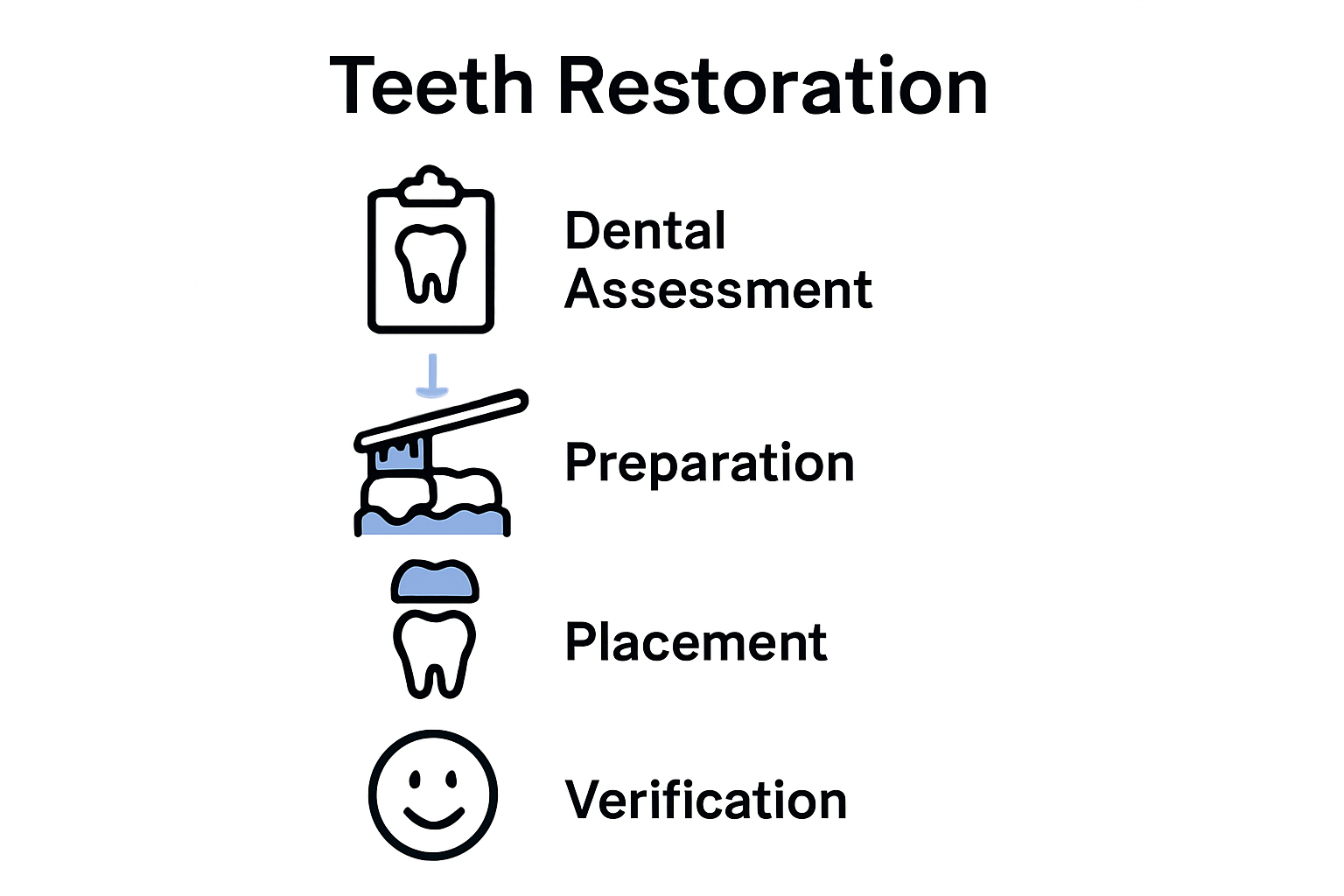
- Step 1: Assess Dental Health And Customize A Treatment Plan
- Step 2: Prepare Teeth And Gums For Restoration Procedures
- Step 3: Select And Place The Appropriate Restorative Materials
- Step 4: Verify Fit, Function, And Aesthetic Appearance
- Step 5: Maintain Results With Ongoing Dental Care
Quick Summary
| Main Insight | Detailed Explanation |
|---|---|
| 1. Comprehensive dental assessment is essential | A thorough evaluation of oral health forms the foundation for a tailored restoration plan, ensuring precise treatment for individual needs. |
| 2. Proper preparation enhances restoration success | Cleaning and addressing any existing issues is critical before any restoration procedures to create a stable and healthy foundation. |
| 3. Choosing the right materials is crucial | Selecting durable and aesthetically pleasing materials, based on specific dental conditions, greatly impacts the longevity and appearance of restorations. |
| 4. Final verification ensures satisfaction | Assessing fit, function, and aesthetics guarantees alignment with personal expectations and clinical standards for optimal performance. |
| 5. Ongoing care is vital for maintenance | Consistent dental check-ups and effective home care practices help preserve restorations and ensure long-term oral health. |
Step 1: Assess Dental Health and Customize a Treatment Plan
Developing an effective teeth restoration strategy starts with a comprehensive dental health assessment that maps out your unique clinical needs and personalized treatment pathway. Understanding the intricate details of your oral condition allows dental professionals to craft a precise and targeted approach to restoring your smile.
Your initial assessment involves a systematic examination of periodontal health that goes beyond a standard checkup. A skilled dentist will conduct an in depth review of your medical history, current oral condition, and specific restoration goals. This process typically includes detailed diagnostic imaging such as digital x rays, 3D scans, and comprehensive visual inspections to identify potential issues like bone density, gum health, existing tooth structure, and potential challenges in the restoration process.
Expect your dental professional to create a customized treatment worksheet that outlines potential interventions, projected timelines, and recommended procedures specifically tailored to your dental anatomy and health objectives. By taking this personalized approach, you maximize the effectiveness of your teeth restoration journey and increase the likelihood of achieving a functional, aesthetically pleasing result that meets your individual needs.
Step 2: Prepare Teeth and Gums for Restoration Procedures
Preparing your teeth and gums for restoration procedures is a critical phase that ensures successful and long lasting dental treatments. This preparatory stage involves comprehensive cleaning, assessment, and potential preliminary interventions to create an optimal foundation for your dental restoration.
Your dental professional will first conduct a thorough evaluation to determine any necessary preliminary surgical procedures like bone grafting, which helps regenerate bone structure and provides a stable platform for future dental work. This might include alveoloplasty to reshape the alveolar ridge, ensuring a smooth and contoured bone structure that facilitates precise prosthetic placement. The preparation process typically involves deep cleaning, addressing any existing periodontal issues, and potentially treating areas of potential infection or inflammation.
Specifically, your treatment plan will outline targeted interventions designed to optimize your oral environment. This could include scaling and root planing to remove bacteria, treating any existing cavities, and potentially performing minor surgical procedures to improve gum health. Proper preparation significantly increases the success rate of your dental restoration, minimizing potential complications and ensuring a more comfortable and effective long term outcome.
Step 3: Select and Place the Appropriate Restorative Materials
Selecting the right restorative materials is a crucial step in achieving a durable and aesthetically pleasing dental restoration. Your dental professional will carefully evaluate your specific oral health needs to determine the most suitable materials that balance functionality, durability, and visual appeal.
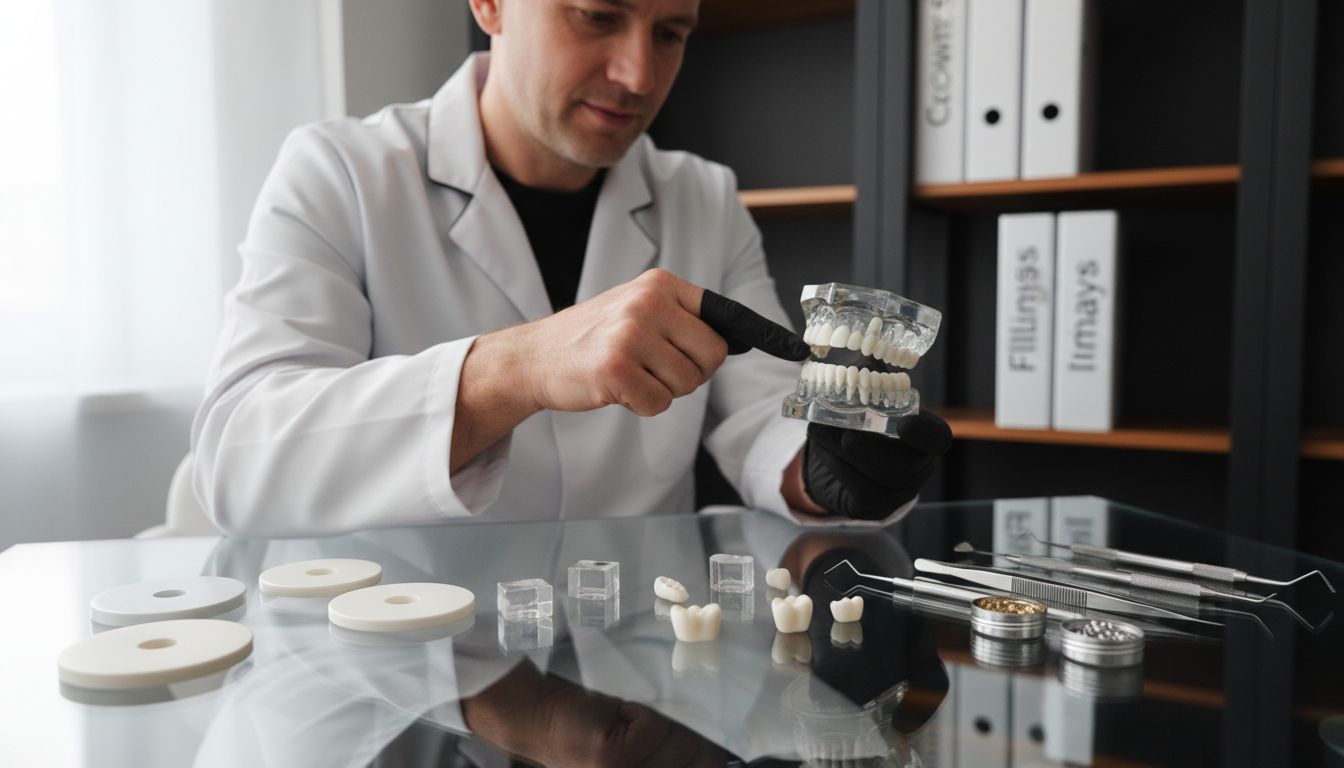
The selection process involves considering multiple dental restoration options, which might include fillings, crowns, inlays, bridges, or implants depending on your specific dental condition. Some treatments, like atraumatic restorative treatment, focus on minimally invasive techniques that preserve as much of your natural tooth structure as possible. Your dentist will assess factors such as the extent of damage, location of the restoration, aesthetic requirements, your budget, and long term durability when recommending specific materials.
Modern dentistry offers a range of advanced materials including ceramic, composite resin, porcelain, and metal alloys. Each material has unique properties that make it suitable for different dental scenarios. The goal is to select a restoration that not only looks natural but also provides optimal functional performance, ensuring your renewed smile remains strong and healthy for years to come.
Step 4: Verify Fit, Function, and Aesthetic Appearance
Verifying the fit, function, and aesthetic appearance of your dental restoration is a critical final step that ensures your new smile meets both clinical standards and your personal expectations. This comprehensive evaluation goes beyond simple visual inspection to guarantee optimal performance and long term satisfaction.
Your dental professional will conduct a detailed periodontal charting to systematically assess how the new restoration integrates with your existing oral structures. This process involves precise measurements and functional tests to confirm proper alignment, bite mechanics, and overall comfort. The examination will include checking for proper contact between teeth, evaluating jaw movement, and ensuring the restoration responds correctly during different mouth movements like speaking and chewing.
Additionally, your dentist will use clinical assessment techniques similar to the Decay Missing Filled index to evaluate the restoration’s long term potential. This means carefully examining how well the new dental work fits within your overall oral health profile, checking for potential areas of future wear, and confirming that the aesthetic result matches your desired outcome. The goal is to create a seamless restoration that not only looks natural but functions perfectly with your existing dental structure.
Step 5: Maintain Results with Ongoing Dental Care
Maintaining your newly restored smile requires a proactive and consistent approach to dental care. This final stage of your teeth restoration journey focuses on preserving the investment you have made in your oral health and ensuring the longevity of your dental work.
Your dental professional will recommend a personalized treatment plan that includes regular monitoring and specific maintenance strategies tailored to your unique oral health needs. Routine dental check-ups are crucial for tracking the condition of your restoration, identifying potential issues early, and preventing complications. These appointments typically involve professional cleaning, comprehensive examinations, and precise assessments of your dental work to ensure optimal performance and aesthetic quality.
Additionally, your ongoing care will involve a combination of professional interventions and personal oral hygiene practices. This means following your dentist’s specific recommendations for home care, which might include specialized cleaning techniques, using recommended oral care products, and maintaining a consistent routine of brushing, flossing, and potentially using additional tools like water picks or interdental brushes. The goal is to create a sustainable approach that protects your restoration and maintains your overall oral health for years to come.
Restore Your Smile with Expert Care in Vacaville
Struggling with dental damage or discomfort can affect your confidence and overall health. The teeth restoration process described here highlights key steps like personalized treatment planning, expert preparation, and durable restorative materials to help you regain a healthy, confident smile. At Vacaville Aesthetic Dentistry & Implants, Dr. Coral Posert brings advanced technology and a comfort-first approach to ensure your restoration fits perfectly and lasts long.
Don’t wait to address your oral health challenges. Visit Vacaville Aesthetic Dentistry & Implants to learn more about our comprehensive services including dental implants, cosmetic dentistry, and emergency dental care. You can start your journey with a detailed evaluation and tailored treatment plan designed specifically for your needs. Take the first step toward a stronger, more beautiful smile today by booking an appointment online or contacting us directly. Your smile deserves expert care that lasts.
Frequently Asked Questions
What is involved in the teeth restoration process?
The teeth restoration process involves several steps, including assessing dental health, preparing teeth and gums, selecting restorative materials, verifying fit and function, and maintaining results. Schedule an initial consultation with your dental professional to begin your personalized treatment plan.
How can I prepare for my initial dental assessment?
To prepare for your initial dental assessment, gather your medical history and list any current dental concerns or goals. Arrive at your appointment with questions about your treatment options and be ready for a thorough examination and possible imaging.
What types of materials are commonly used in dental restorations?
Common materials used in dental restorations include ceramic, composite resin, porcelain, and metal alloys. Consult with your dentist to discuss which options best suit your specific dental needs and aesthetic preferences.
How can I ensure the longevity of my dental restoration?
To ensure the longevity of your dental restoration, maintain a consistent oral care routine that includes brushing, flossing, and attending regular check-ups. Follow your dentist’s recommendations for specific care techniques and products to maximize the durability of your restoration.
What should I expect after my dental restoration is complete?
After your dental restoration is complete, expect a follow-up assessment to verify fit and aesthetic appearance. Maintain open communication with your dentist about any discomfort, and adhere to your ongoing care plan to preserve your results.
Recommended
- Smile Makeover Step by Step: Achieve Your Best Smile – Vacaville Aesthetic Dentistry & Implants
- Cosmetic Dentistry Options Guide for a Confident Smile – Vacaville Aesthetic Dentistry & Implants
- What Is a Smile Makeover? Complete Guide for Vacaville – Vacaville Aesthetic Dentistry & Implants
- Cosmetic Dentistry Workflow: Step-by-Step Smile Enhancement – Vacaville Aesthetic Dentistry & Implants
- Bocca completa: Comprendere la riabilitazione dentale – dentalnetcare.it
- Rigenerazione ossea e innesti gengivali: come prepararsi a un impianto dentale – dentalnetcare.it

