
Over three million Americans have dental implants, yet many patients face confusion about the technical language used in treatment. Knowing the right terms helps you make better decisions and communicate confidently with your dentist. This guide clarifies the most important words and concepts, giving you the knowledge you need for a smoother and less stressful implant experience.
Table of Contents
- Essential Terms In Implant Dentistry
- Types Of Dental Implants And Procedures
- Key Steps In The Implant Process
- Common Implant Materials And Their Features
- Potential Risks And Post-Care Essentials
Key Takeaways
| Point | Details |
|---|---|
| Core Components of Implants | Understand the main components: implant body, abutment, and prosthetic crown for effective communication with dental professionals. |
| Types of Implants | Familiarize yourself with classifications such as endosteal and subperiosteal, to identify the most suitable option based on your oral health. |
| Implant Process Stages | Be aware of the critical steps, including evaluation, surgical placement, and healing for the successful integration of dental implants. |
| Post-Care Strategies | Implement rigorous oral hygiene and follow recommended care tips to ensure long-term success and monitor for any signs of complications. |
Essential Terms in Implant Dentistry
Navigating the world of dental implants can feel like learning a new language. According to the FDA, understanding key terminology is crucial for patients considering this transformative dental procedure. Let’s break down the essential terms you’ll encounter during your implant journey.
Core Implant Components
Dental implants consist of three primary components that work together to restore your smile and chewing function:
- Implant Body: The surgical-grade titanium post surgically placed into the jawbone. This acts as an artificial tooth root.
- Abutment: The connector piece that links the implant body to the final prosthetic tooth or crown.
- Prosthetic Tooth/Crown: The visible portion that looks and functions like a natural tooth.
Classification and Types
As the FDI World Dental Federation explains, dental implants are classified based on various characteristics:
-
By Material: – Titanium implants (most common)
- Zirconia implants (metal-free alternative)
-
By Design:
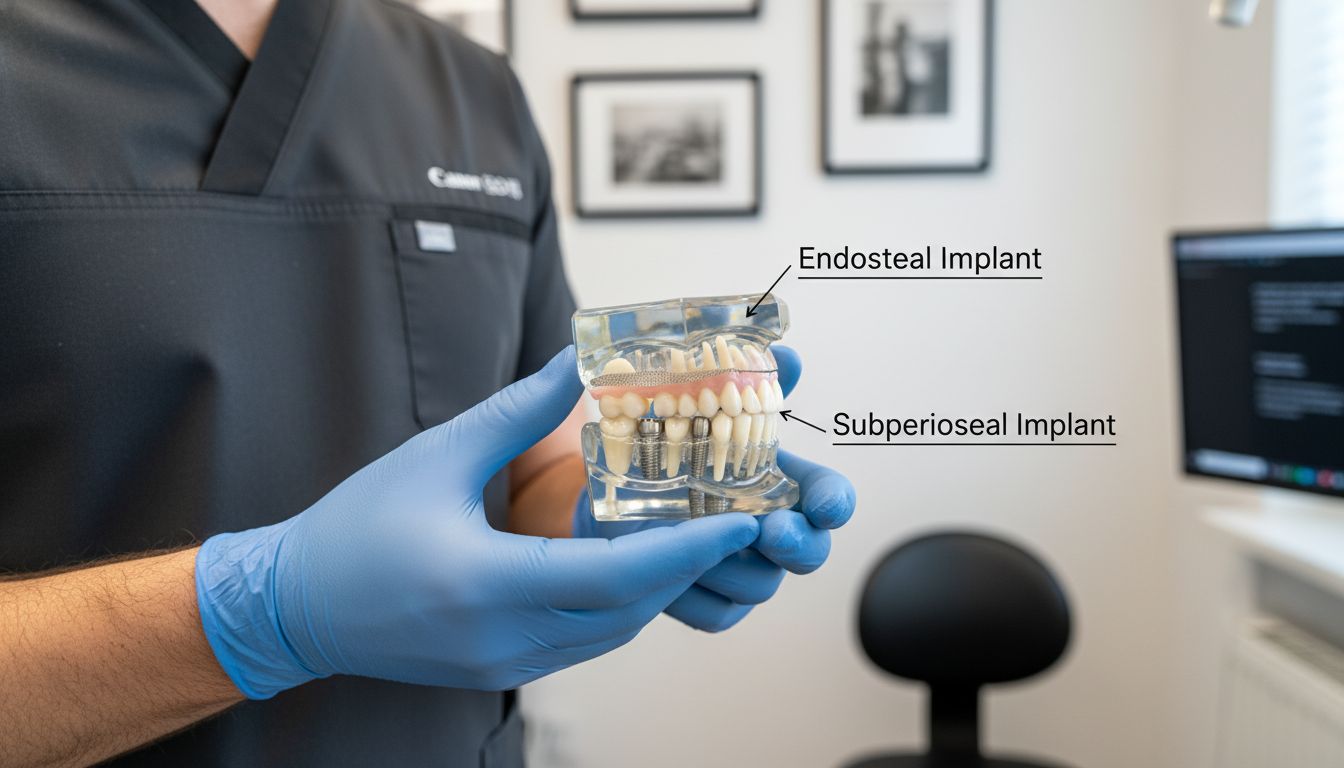
- Endosteal implants (placed directly in bone)
- Subperiosteal implants (placed on top of the bone)
Additional Specialized Terminology
Beyond basic components, you might encounter these advanced terms:
- Osseointegration: The biological process where the implant fuses with surrounding bone tissue
- Bone Grafting: A preparatory procedure to enhance jawbone density for successful implant placement
- Immediate Load Implants: Implants that can support a temporary tooth on the same day of surgery
For those wanting a deeper understanding of potential complications, our guide on signs of implant failure provides crucial insights into monitoring your dental implant health.
Remember, while these terms might seem technical, they represent a sophisticated approach to restoring your smile and dental function. Each term reflects the precision and advanced technology behind modern implant dentistry.
Types of Dental Implants and Procedures
Understanding the variety of dental implant types is crucial for patients considering this transformative dental solution. According to the American Academy of Periodontology, dental implants are primarily classified into two foundational categories that address different patient needs and bone structures.
Primary Implant Classifications
Endosteal Implants represent the most common type of dental implant. These surgically placed posts are inserted directly into the jawbone, providing a strong and stable foundation for replacement teeth. Typically made of titanium, they resemble small screws and serve as artificial tooth roots.
Subperiosteal Implants offer an alternative for patients with insufficient bone density or those unable to undergo bone grafting procedures. These implants rest on top of the bone but underneath the gum tissue, making them suitable for individuals with less robust jaw structures.
Advanced Implant Techniques
The American Academy of Implant Dentistry highlights several innovative implant procedures that expand treatment possibilities:
- Immediate Load Implants: Allow for temporary tooth placement on the same day as surgical intervention
- Mini Dental Implants: Smaller diameter implants used for stabilizing lower dentures or replacing narrow teeth
- All-on-4® Procedure: A revolutionary technique supporting an entire arch of teeth using just four strategically placed implants
Determining the Right Approach
Choosing the appropriate implant type depends on multiple factors including:
- Bone density and volume
- Overall oral health
- Number of teeth being replaced
- Patient’s medical history
To gain deeper insights into the materials and specific characteristics of dental implants, explore our comprehensive guide on dental implant materials, which provides additional context for your treatment options.
Every patient’s journey is unique, and modern implant dentistry offers personalized solutions that can restore not just your smile, but your confidence and quality of life.
Key Steps in the Implant Process
Understanding the dental implant journey requires knowing the intricate steps involved in this transformative procedure. According to Mayo Clinic, the dental implant process is a carefully orchestrated series of stages designed to restore both function and aesthetics to your smile.
Initial Consultation and Evaluation
Your implant journey begins with a comprehensive dental evaluation. During this critical first step, your dentist will:
- Conduct detailed imaging studies (X-rays, 3D scans)
- Assess your overall oral health
- Review medical history
- Determine bone density and potential need for grafting
- Create a personalized treatment plan
Surgical Placement and Preparation
Bone Grafting might be necessary for patients with insufficient jaw bone density. This preparatory procedure helps create a solid foundation for the implant. If required, the graft will need several months to heal and integrate before the primary implant surgery.
Implant Insertion and Healing
Johns Hopkins Medicine describes the surgical placement as a precise procedure where the titanium post is inserted directly into the jawbone. This stage involves:
- Surgical insertion of the implant
- Allowing time for osseointegration (bone healing and implant integration)
- Healing period typically ranges from 3-6 months
Final Restoration
The concluding stages of the implant process involve:
- Attaching the abutment (connector piece)
- Creating and placing the custom dental crown
- Final adjustments for perfect fit and bite alignment
Learn more about the complete dental implant healing process in our detailed guide, which provides insights into what you can expect during each stage of your dental transformation.
Each step is crucial, and patience during the healing process ensures the long-term success and stability of your dental implant.
Common Implant Materials and Their Features
Choosing the right material for dental implants is a critical decision that impacts long-term success and patient comfort. According to the FDA, dental implants are primarily constructed from two exceptional materials: titanium and zirconium oxide, each offering unique benefits for patients seeking tooth replacement solutions.
Titanium: The Gold Standard
Titanium implants represent the most prevalent and time-tested option in dental restoration. The FDI World Dental Federation highlights titanium’s exceptional characteristics:
- Biocompatibility: Naturally integrates with human bone tissue
- Strength: Incredibly durable and resistant to fracture
- Lightweight: Provides comfortable, natural feeling restoration
- Corrosion Resistance: Maintains structural integrity over decades
Zirconium Oxide: The Aesthetic Alternative
Zirconium oxide implants offer a compelling alternative, particularly for patients seeking more aesthetic or metal-free solutions. Key features include:
- Natural Appearance: White color mimics natural tooth structure
- Hypoallergenic: Ideal for patients with metal sensitivities
- Ceramic-like Properties: Provides excellent tissue compatibility
- Minimal Plaque Accumulation: Supports better oral hygiene
Surface Modifications and Advanced Technologies
Modern implant materials go beyond base composition. Advanced surface treatments enhance osseointegration, improving the implant’s ability to bond with surrounding bone tissue:
- Plasma-sprayed surfaces
- Acid-etched textures
- Nano-structured coatings
- Hydroxyapatite treatments
Explore our comprehensive guide on dental implant advancements to discover how cutting-edge materials are transforming dental restoration.
While material selection is crucial, the expertise of your dental professional ultimately determines the success of your dental implant procedure. Each material offers unique advantages, and the right choice depends on your individual health profile and aesthetic goals.
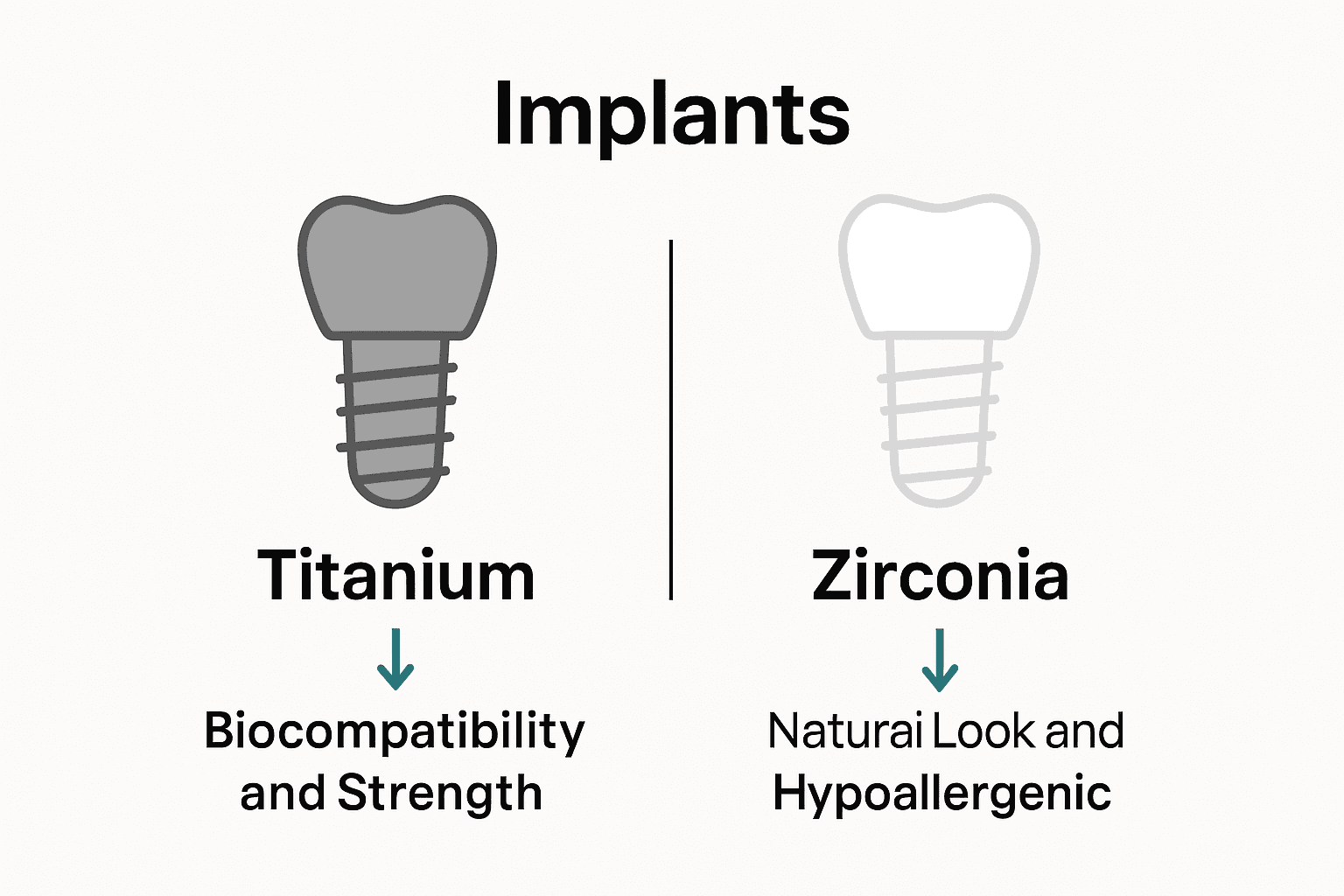
Here’s a comparison of common dental implant materials and their key features:
| Material | Appearance | Key Advantages | Best For |
|---|---|---|---|
| Titanium | Metallic gray | High strength Biocompatible Long-lasting |
Most patients Standard cases |
| Zirconium Oxide | Tooth-like white | Hypoallergenic Natural look Low plaque buildup |
Metal allergies Front teeth |
| Surface Modified | Varies by base material | Enhanced bonding Faster integration |
Patients needing rapid healing |
Potential Risks and Post-Care Essentials
Dental implants, while highly successful, are not without potential complications. Cleveland Clinic emphasizes that understanding potential risks and implementing proper post-care strategies are crucial for long-term implant success and overall oral health.
Potential Implant Risks
Surgical complications can occur during and after the dental implant procedure. Key risks include:
- Infection: The most common potential complication
- Nerve Damage: Potential sensory disruption in surrounding tissues
- Sinus Complications: Particularly for upper jaw implants
- Implant Failure: Rare but possible rejection or non-integration
Signs of Potential Complications
Patients should monitor for these warning signs that might indicate implant issues:
- Persistent pain beyond initial healing period
- Significant swelling or inflammation
- Implant mobility or movement
- Unusual bleeding or discharge
- Changes in bite alignment
Comprehensive Post-Care Strategies
According to Mayo Clinic, successful post-implant care involves:
- Maintaining rigorous oral hygiene
- Regular professional dental check-ups
- Avoiding hard or extremely hot/cold foods during initial healing
- Using prescribed antimicrobial mouthwashes
- Managing potential inflammation with recommended treatments
While risks exist, proper preparation, selecting an experienced dental professional, and following post-care instructions significantly minimize potential complications and ensure a successful dental implant experience.
Understand Implant Dentistry with Confidence and Compassion
Dental implant terminology can feel overwhelming when you are facing the journey to restore your smile. Terms like osseointegration, abutment, or bone grafting represent important steps and concepts that impact your treatment and results. Understanding these helps you make informed decisions and reduces anxiety about the process. At Vacaville Aesthetic Dentistry & Implants, Dr. Coral Posert and her team prioritize your comfort and clarity through every stage. We use advanced technology alongside a personalized comfort-first approach to address your unique dental needs.
Begin your transformation today with expert care tailored specifically for patients looking for a trusted dentist in Vacaville, CA. Visit our website Vacaville Aesthetic Dentistry & Implants to learn more about our dental implant solutions and schedule your consultation. Don’t wait to regain your confidence and improve your oral health — take the first step towards a healthier smile now.
Frequently Asked Questions
What are the main components of a dental implant?
Dental implants consist of three primary components: the implant body, which is a titanium post inserted into the jawbone; the abutment, which connects the implant to the prosthetic tooth; and the prosthetic tooth or crown, which is the visible part that looks and functions like a natural tooth.
How do endosteal and subperiosteal implants differ?
Endosteal implants are placed directly into the jawbone and are the most common type of implants, while subperiosteal implants rest on top of the bone but underneath the gum tissue, making them suitable for patients with insufficient bone density.
What is osseointegration, and why is it important?
Osseointegration is the biological process in which the implant fuses with the surrounding bone tissue. This process is crucial for the stability and long-term success of the dental implant, ensuring that it functions like a natural tooth.
What are potential risks associated with dental implants?
Potential risks include infection, nerve damage, sinus complications, and implant failure. It’s important for patients to monitor for warning signs such as persistent pain, swelling, or changes in bite alignment following the procedure.
Recommended
- Complete Guide to Oral Health and Implants – Vacaville Aesthetic Dentistry & Implants
- Dental Implants Materials: Complete Guide for Patients – Vacaville Aesthetic Dentistry & Implants
- Understanding Advancements in Dental Implants – Vacaville Aesthetic Dentistry & Implants
- Understanding Dental Implants Care Guide for Better Health – Vacaville Aesthetic Dentistry & Implants

